About Purael
Laboratory-grown diamonds
Purael sells fine jewelry set with laboratory-grown diamonds — the same crystal as a mined stone, grown in weeks rather than found. We would rather tell you exactly what a piece is, what it costs to own and what happens if something goes wrong, than describe it beautifully and leave you to find out.
- Free
- Insured worldwide shipping, duties and taxes paid
- 30 days
- To return a stocked piece, shipping prepaid
- Lifetime
- Warranty against manufacturing defects
- 29
- Countries and regions served
The stone
What you are buying, stated plainly
What it is
Carbon in the same crystal structure as a mined diamond, with the same hardness, the same refractive index and the same fire. A gemologist cannot separate the two by eye; it takes laboratory instruments to tell where a stone was grown.
What it is not
It is not a simulant — not cubic zirconia, not moissanite. It is alsonot an investment: diamonds of any origin resell well below retail, and laboratory-grown prices have fallen as capacity has grown. Buy a piece to wear it.
- 01
Grown from a seed
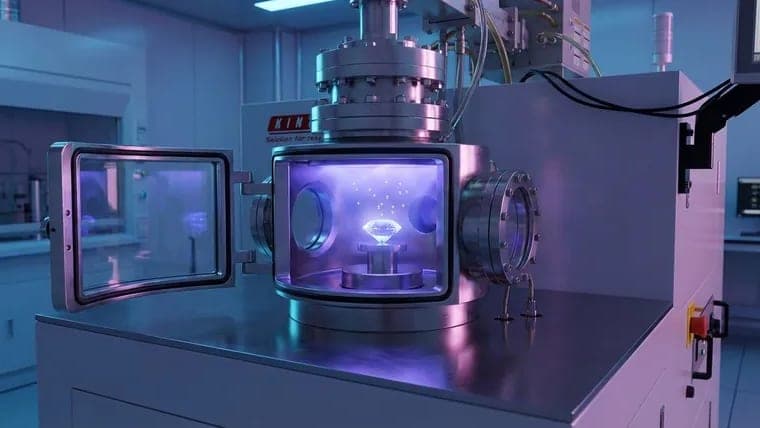
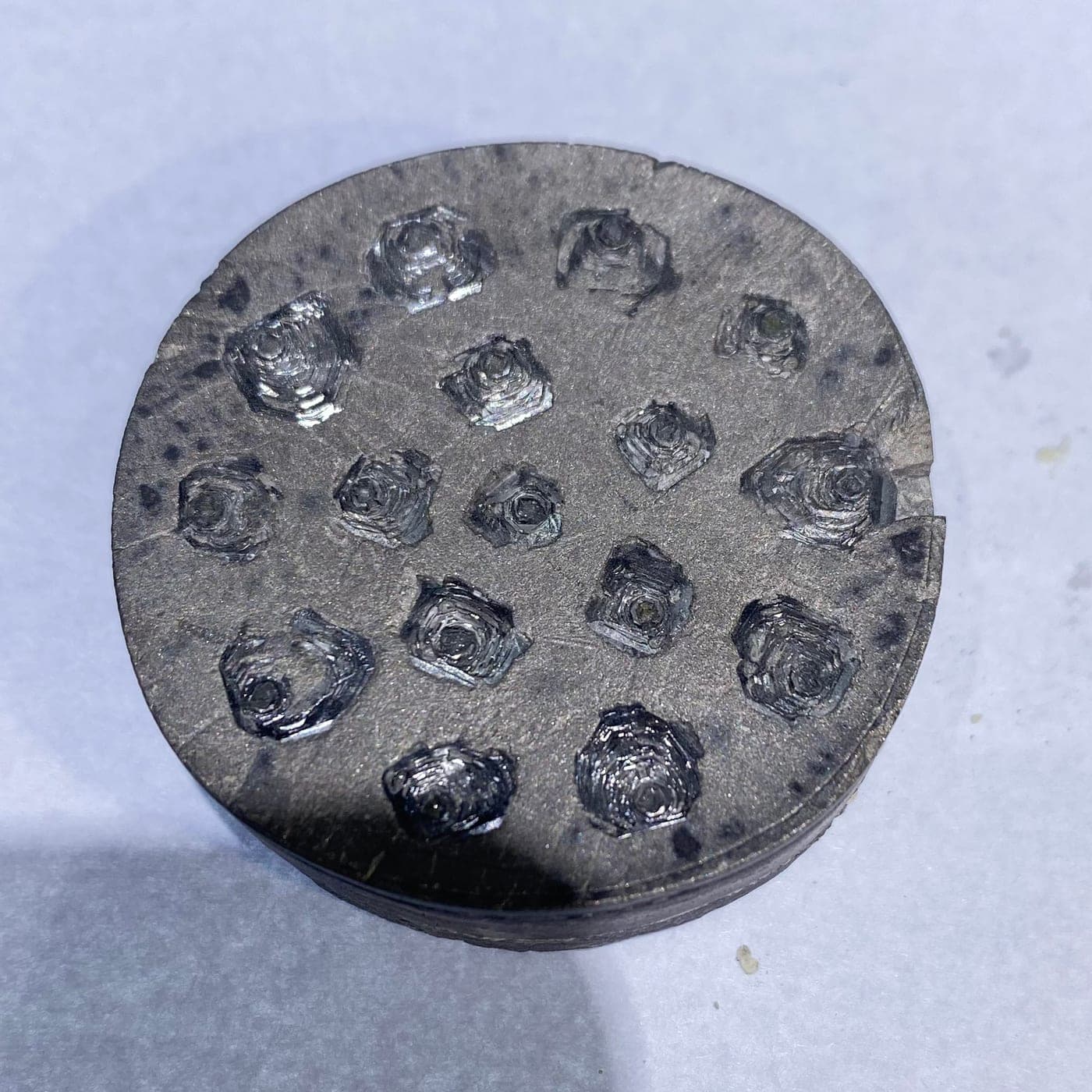
A thin diamond seed is placed in a reactor — a chemical vapor deposition chamber or a high-pressure, high-temperature press — and carbon crystallizes onto it in the same cubic lattice a mined stone has. Growth takes weeks, not geological time.
- 02
Cut and polished
Each rough crystal is planned, sawn and brought to a polishing wheel exactly as mined rough is. Proportions decide how much light the finished stone returns — this stage, not the origin, is what separates a dull stone from a lively one.
- 03
Sorted and graded
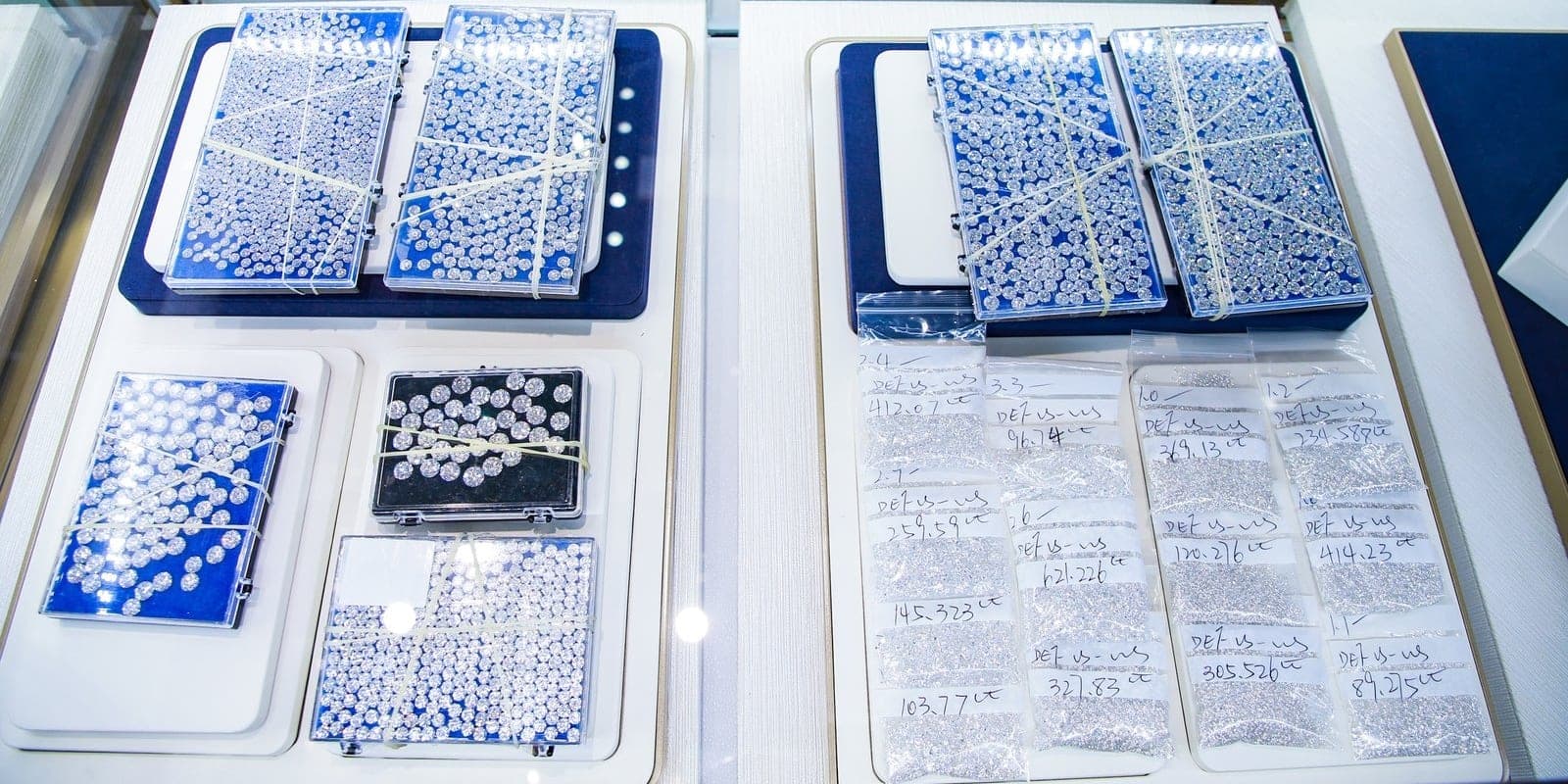
Stones are sorted by color, clarity and carat. Those of 0.5 ct and above come with an independent IGI or GIA report, and the report number is printed on your invoice so you can verify it with the laboratory yourself.
The making
How a piece reaches you
- 01
Choose the design
Every design is shown with the metals and sizes it is actually offered in. What is not listed on the page is not available unless we confirm it in writing — no option appears that we cannot make.
- 02
Agree the specification
For a made-to-order piece a specialist writes the stone, setting, metal and size into a quote, with a fixed price and a production window, before anything is charged. Production runs 3–4 weeks.
- 03
Set and finish by hand
Stones are set, the piece is polished, and white gold is rhodium-plated. The same workshop handles warranty repairs, which is why we can stand behind a setting for the life of the piece.
- 04
Inspect, then ship insured
Each piece is checked against its specification and its grading report before it leaves. It ships fully insured, requires an adult signature, and arrives with duties and taxes already paid.
Materials
What we disclose on every piece
- Stones
- Laboratory-grown diamonds only, described as such on the product page, the invoice and the grading report. Accent stones are specified as a graded range rather than certified individually, which is standard practice.
- Metals
- Each design lists the alloys it is offered in — 18K yellow, white and rose gold, and platinum on selected pieces. White gold is rhodium-plated; that finish wears over a year or two and can be re-plated by any good jeweler.
- Imagery
- Photography and video show a representative piece, and virtual try-on illustrates placement rather than exact scale. Millimeter measurements on the product page are the size to trust.
The footprint
What is honest to say about the environment
- There is no pit
- No overburden is moved, no tailings dam is built and no river is diverted to grow a crystal in a chamber. Whatever else is arguable, that part of mining is simply absent from the process.
- What is left is electricity
- A reactor runs hot for weeks, so most of a grown stone's footprint is the power behind it. That makes the grid supplying the reactor the deciding factor — not the fact that the stone was grown.
- Most published comparisons are interested
- The figures circulated on both sides of this argument are usually commissioned by one side of it. Where a number cannot be traced back to its method, we do not repeat it, however flattering it is.
- So we claim nothing we cannot show
- We hold no audited carbon or supply-chain figure for our own stones, so we publish none. When that documentation exists it will appear here with the evidence attached — until then, ask us rather than assume.
Afterwards
The part most of the value sits in
If it is not right
30 days to return a stocked piece, with a prepaid insured label and a refund that includes the duties we paid.
ReturnsIf it needs work
Lifetime cover for manufacturing defects, one local jeweler visit reimbursed up to US$200, and a first resize free within 60 days.
Warranty and careIf you have a question
The desk is open 24 hours a day, 7 days a week, and a specialist answers within 24 hours. Write tosupport@purael.com.
Contact usStart with a design, or with a conversation
Browse the collections, or tell a specialist what you are looking for, what you want to spend and when you need it — whichever is easier.